Another critical area of research investigates the possibility that early childhood psychopathology might predict adult alcoholism. Most studies have demonstrated significantly higher levels of psychopathology—most commonly behavior disorders—in COA’s compared with non-COA’s. Although researchers have identified a potential relationship between childhood behavior disorders and adult alcoholism, they do not yet know which behavior disorders or combinations of disorders actually lead to alcoholism. Accordingly, one cannot predict which COA’s are at the highest risk or how childhood psychopathology interacts with the environment to moderate this risk. Consequently, prospective studies are needed that track and periodically interview COA’s and non-COA’s (both with and without psychopathology) and their families until the children are past the age at which they are most likely to develop alcoholism. Many potential explanations can be found for the association between parental alcoholism and children’s externalizing disorders.
National Recovery Month
While researchers of both studies controlled for confounding factors, such as if the father also smoked, it isn’t possible to account for every single potential contributor. “Human studies are extremely ecstasy detox symptoms timeline medications and treatment messy – there are a lot of confounding factors there,” says Golding. “What is the individual’s diet? Do they exercise? There are a whole bunch of things there that make it incredibly difficult.”

Children of Alcoholics: The Effects & Coping with the Stress
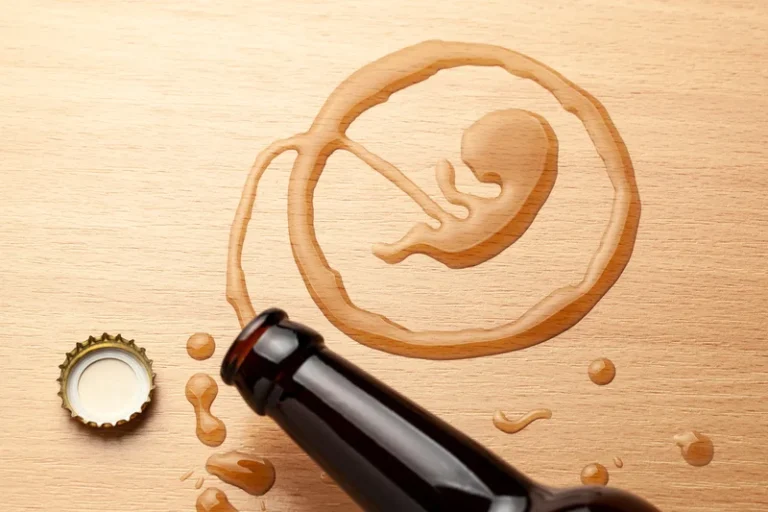
Much more research is needed before we can determine the contributions of a father’s alcohol consumption in humans with any certainty. In July 2024, meanwhile, a study found that if fathers drank alcohol before conception, foetal growth appeared to be impacted. Yet https://rehabliving.net/ecstasy-withdrawal-and-detox-symptoms-and-timeline/ researchers like Golding have suspected a paternal role for a long time. “For years now, we’ve been hearing stories from women who said, ‘I never drank during pregnancy, but now I have an FAS kid – and my male partner was a chronic alcohol abuser’,” he says.
Treating Alcoholism
Read on to explore the traits and characteristics of adult children of alcoholics, their struggles and their path to trauma recovery. ACoAs may face a unique set of challenges, including increased risk for substance use, mental health disorders, difficulties in forming healthy relationships, and challenges coping with unresolved trauma or emotional distress. Hagströma and Forinder’s findings also revealed two major narrative positions. On the one hand, the children framed themselves as vulnerable victims forced to navigate their parent’s alcoholism, which often encompassed severe neglect, domestic violence, and sexual abuse. They described feeling powerless, without resources to cope with distress and risk, and a desperate need for protection and care. According to the National Association for Children of Alcoholics, it’s important for children of alcoholics to know they are not alone and that alcohol addiction is a disease.
People Also Ask
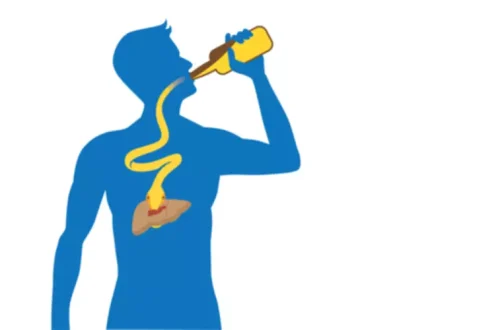
Only trained and licensed medical professionals can provide such services. If you or anyone you know is undergoing a severe health crisis, call a doctor or 911 immediately. Alcohol use disorder (AUD) is a chronic and potentially severe medical condition characterized by an individual’s compulsive and the heroin detoxification process problematic pattern of alcohol consumption. This disease extensively harms not only the alcohol user but also their families. Moreover, you shouldn’t use NyQuil as a sleep aid or for long-term treatment of symptoms. If you take more than the recommended dose, you may experience withdrawal symptoms.
- Most studies have demonstrated significantly higher levels of psychopathology—most commonly behavior disorders—in COA’s compared with non-COA’s.
- According to the journal Pediatrics, children with FAS may also suffer from vision and hearing difficulties, deformed joints and limbs, and heart defects.
- After growing up in an atmosphere where denial, lying, and keeping secrets may have been the norm, adult children can develop serious trust problems.
- Perhaps to avoid criticism or the anger of their parent with AUD, many children tend to become super-responsible or perfectionistic overachievers or workaholics.
This article primarily focuses on findings generated by the alcohol-research community. In addition, because of the effect that some of the clinical writings have had on both the community of practitioners and the lay public, this article also examines the empirical validity of some of the concepts put forth by influential clinicians. Addiction Resource is an educational platform for sharing and disseminating information about addiction and substance abuse recovery centers.
Anthony checked into the Ranch at Dove Tree, where he stayed for 30 days. Upon successful completion, Anthony returned to The Door Sober Living on May 19, 2013. This time, Anthony signed a one-year agreement and expressed great willingness to maintain sobriety. In July 2014, when a previous house manager moved in with his fiancé, Anthony was asked to step up and take on his duties. His continued dedication to recovery and belief in the Stages of Recovery program as a whole led to an opportunity in 2017 to become the fourth owner of Stages.
On the other hand, people often go in the opposite direction, mirroring the same bad behaviors they witnessed during childhood. If a child’s parent was mean or abusive when they were drunk, adult children can grow up with a fear of all angry people. They may spend their lives avoiding conflict or confrontation of any kind, worrying that it could turn violent. You’re not to blame if you learned to use alcohol as a means of dealing with trauma from your childhood, but you can always take action to learn new, more helpful coping mechanisms. Children largely rely on their parents for guidance learning how to identify, express, and regulate emotions.
The Adult Children of Alcoholics (ACA) organization was created to help people who grew up with addicted parents or in dysfunctional homes. The group literature and meetings are meant to help adult children identify the problems that have arisen as a result of their upbringing and offer up a solution. Because as a child life felt out of control and unpredictable, as an adult you try to control everyone and everything that feels out of control (which is a lot).
Experiencing these behaviors from a parent can also wear down your self-worth over time. Consequently, you might become more sensitive to criticism and rejection and have a harder time standing up for yourself. If one or more parents continue drinking heavily as the child is growing up, this can also have negative consequences. We meet to share our experience of growing up in an environment where abuse, neglect and trauma infected us. This affects us today and influences how we deal with all aspects of our lives. The exact causes of bipolar disorder are unknown, but several factors may contribute to the illness.